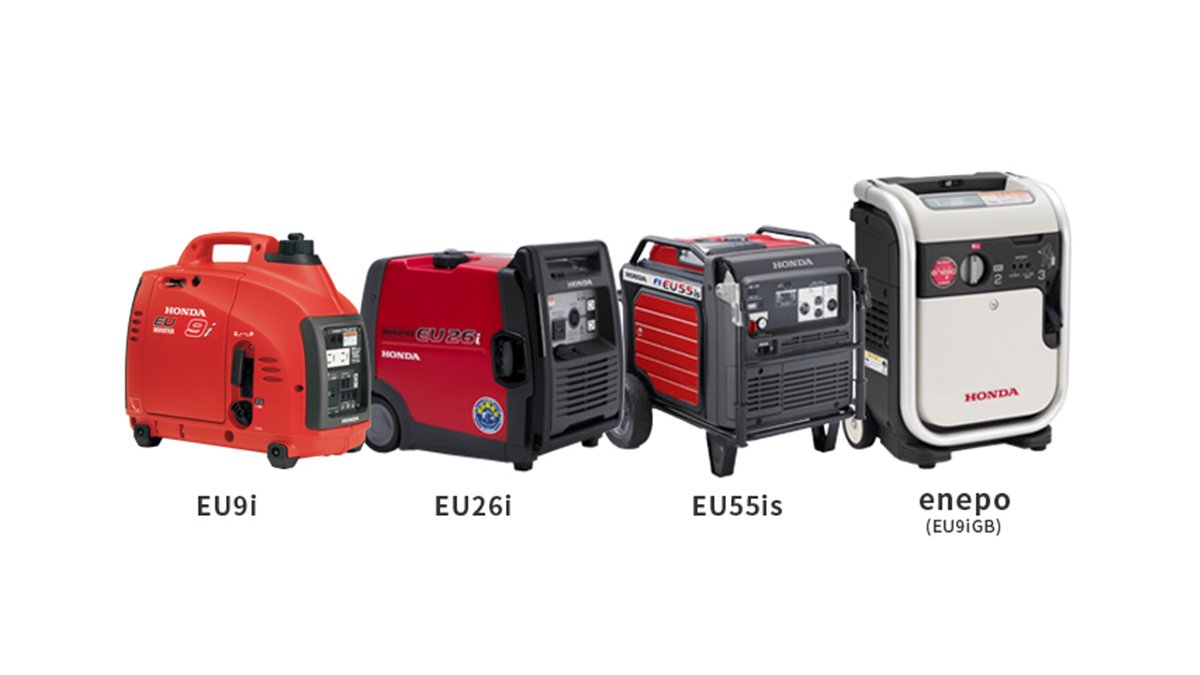
When the lights go out, or you’re planning an off-grid adventure, knowing your power options isn't just a convenience—it's peace of mind. For many, the mental image of a generator is a loud, rumbling behemoth. But the world of portable power has evolved dramatically, especially with the rise of inverter generators. This guide delves deep into comparing inverter generators to other power solutions, helping you navigate the choices, understand the trade-offs, and ultimately pick the right power partner for your specific needs.
Gone are the days when a single type of generator fit every bill. Today, you're faced with an array of choices, from the traditional roar of a conventional generator to the quiet hum of an inverter, and even silent, emission-free battery backups. The "best" choice isn't universal; it's intensely personal, driven by what you need to power, where you need to power it, and what you prioritize most—be it quiet operation, raw power, or fuel efficiency.
At a Glance: Inverter vs. Conventional Power
- Inverter Generators: Quieter, more fuel-efficient, deliver clean power safe for sensitive electronics, lighter, and more portable. Generally higher upfront cost.
- Conventional Portable Generators: More powerful for heavy loads, often cheaper to buy, robust, but louder and less fuel-efficient. Power quality can be an issue for delicate devices.
- Other Solutions (Briefly): Standby generators offer whole-home automatic backup. Battery backups (UPS, power stations) are silent, emission-free, and ideal for smaller, indoor needs.
The Power Paradigm Shift: Why Inverters Entered the Scene
For decades, if you needed portable power, a conventional portable generator was your go-to. These machines are essentially small engines connected to an alternator, spinning at a constant, high RPM (usually 3,600 RPM for 60Hz power) to produce electricity. They're robust and capable of delivering substantial power, but they come with significant drawbacks: noise, fuel inefficiency (because they always run at full speed), and often "dirty" power that can be harmful to sensitive electronics.
Enter the inverter generator, a technological leap designed to address these very issues. The key difference lies in how they generate and deliver power. Instead of a direct mechanical-to-electrical conversion at a fixed speed, inverter generators use a sophisticated rectifier to convert AC power from the engine's alternator into DC, then use an inverter to convert it back into stable AC power. This two-step process allows the engine to throttle up or down based on the actual power demand, rather than running at a constant, maximum speed.
This innovative approach opened up a world of possibilities for backup power, outdoor recreation, and even light commercial use, making the decision process more nuanced than ever before.
Inverter Generators: The Quiet, Smart Operators
Think of an inverter generator as the smart, refined cousin of the traditional generator. Their core appeal stems from several key characteristics:
- Whisper-Quiet Operation: This is often the first thing people notice. Because the engine speed adjusts to the load, it doesn't constantly roar. For camping, tailgating, or residential backup, this quietness is a game-changer.
- Exceptional Fuel Efficiency: Running only as hard as needed means burning less fuel. This translates to longer run times on a single tank and significant savings over the generator's lifespan.
- "Clean" Power for Sensitive Electronics: Inverters produce "pure sine wave" power, which is just as stable, if not more stable, than the electricity you get from your wall outlet. This makes them ideal for laptops, smartphones, medical devices, and other delicate electronics that can be damaged by the fluctuating power of conventional generators.
- Portability & Compact Design: Inverter generators are typically lighter and more compact than conventional models of comparable wattage. Their enclosed designs make them easier to transport and store, often resembling small suitcases rather than open-frame engines.
- Compact (around 1,000 watts): 30-40 pounds, suitable for light-duty camping.
- Small (1,500-2,500 watts): 50-60 pounds, great for basic backup (fridge, lights, phone).
- Midsized (2,500-5,000 watts): 80+ pounds, good for RVs, tailgating, or powering plug-in appliances.
- Large (5,000+ watts): 150-300 pounds, capable of powering entire home circuits via a transfer switch.
While their initial cost can be higher, many find the benefits well worth the investment, especially when considering the long-term savings on fuel and the protection for their expensive electronics. You can find comprehensive insights and comparisons on various models in our best inverter generator reviews.
Traditional Portable Generators: The Raw Powerhouses
When you need brute force, a conventional portable generator often answers the call. These are the classic workhorses, designed for heavy-duty applications where sheer power output is paramount.
- Higher Power Output: Traditional generators are typically built to handle larger, more demanding loads. If you need to power an entire home (minus central HVAC for smaller units), run heavy construction tools, or operate industrial equipment, they often offer higher wattage at a lower price point than inverter models.
- Robust & Simple Design: With fewer complex electronic components than inverters, traditional generators are often seen as simpler to maintain and more resilient to harsh environments. They're built tough for outdoor elements.
- Lower Initial Cost: For comparable wattage, a conventional portable generator will almost always be less expensive upfront than an inverter generator. For instance, a 7,500-watt conventional generator might cost around $850, while a 5,000-watt inverter generator could easily run $4,000.
- Not Ideal for Sensitive Electronics: The power output from conventional generators can have "total harmonic distortion" (THD), meaning the voltage and frequency aren't as stable. This "dirty" power can potentially damage delicate electronics like computers, smart TVs, or modern kitchen appliances.
Beyond Portable: Considering Standby Generators and Battery Backups
While portable generators (both conventional and inverter) offer flexibility, it's worth briefly touching on other solutions that fit different use cases.
Whole-Home Standby Generators
These are permanently installed outside your home, much like an AC unit. They connect directly to your home's natural gas or LP fuel supply and to your electrical panel via an automatic transfer switch.
- Pros: Fully automatic (turns on seconds after an outage), powers your entire home (including HVAC, well pumps, etc.), no refueling needed, very powerful.
- Cons: Very expensive to purchase and install ($10,000+), requires professional installation, permanent fixture, still produces noise and emissions.
- Best for: Homeowners who experience frequent or long-duration outages and want a seamless, hands-off whole-home power solution.
Battery Backups & Portable Power Stations
These are essentially large batteries with built-in inverters. They store energy (often charged via wall outlets or solar panels) and convert it to AC power.
- Pros: Silent operation, zero emissions, safe for indoor use, instant power, clean power for sensitive electronics, requires no fuel.
- Cons: Limited power output and run time compared to fuel generators, longer recharge times, can be expensive for higher capacities, not suitable for very heavy-duty appliances.
- Best for: Indoor use, powering small electronics, medical devices, camping (silent power), short-term outages, or as a supplement to a generator.
Head-to-Head: Inverter vs. Conventional Portable Generators
Let's dive deeper into the core differentiators, which are crucial when comparing inverter generators to other power solutions, particularly their direct conventional counterparts.
Power Quality & Sensitive Electronics
- Inverter: Clean, stable power. Produces a pure sine wave, essential for delicate modern electronics. Think computers, smart TVs, charging phones, and especially medical equipment.
- Conventional: Potentially "dirty" power. Can have voltage fluctuations and harmonic distortion, which might damage sensitive electronics. While many basic appliances (lights, tools) can handle it, it's a risk for anything with microprocessors.
Fuel Efficiency & Run Time
- Inverter: Highly fuel-efficient. Adjusts engine speed to demand, leading to significantly lower fuel consumption and longer run times on a single tank.
- Conventional: Less fuel-efficient. Runs at a constant, high RPM regardless of the load, burning more fuel.
Noise Level
- Inverter: Quiet operation. Often compared to a normal conversation, ranging from 50-60 dB. This makes them ideal for residential use, campgrounds, or anywhere noise is a concern.
- Conventional: Loud. Typically range from 70-85 dB or higher, comparable to a vacuum cleaner or lawnmower. This can be disruptive in quiet environments.
Portability & Size
- Inverter: Compact and lightweight. Their enclosed design and efficient engines allow for smaller footprints and lower weights (30-300 lbs depending on wattage), making them much easier to transport and store.
- Conventional: Bulkier and heavier. Open-frame design with larger engines contributes to more substantial weight and size.
Initial Cost vs. Long-Term Value
- Inverter: Higher initial cost. The advanced technology means a higher sticker price. However, savings on fuel and the protection of electronics contribute to long-term value.
- Conventional: Lower initial cost. Often the more budget-friendly option upfront for raw wattage.
Maintenance & Durability
- Inverter: Less maintenance. Fewer continuously moving parts under stress due to variable engine speed, potentially leading to longer lifespans for key components. However, their complex electronics can be harder for homeowners to service.
- Conventional: Regular maintenance required. Like any small engine, they need consistent oil changes, spark plug replacements, and filter checks. Built robustly for outdoor conditions.
Environmental Footprint
- Inverter: Cleaner option. Lower fuel consumption means fewer emissions (carbon monoxide, nitrogen oxides). When paired with solar charging (for some models), emissions can be even lower.
- Conventional: Higher emissions. Constant high RPM operation means more fuel burned and thus more harmful gases released into the atmosphere.
Safety Considerations
Both types of generators run on combustible fuels and produce carbon monoxide (CO), an odorless, colorless, deadly gas.
- Crucial Safety Rule (for ALL fuel-powered generators): Always operate outdoors in an unenclosed area, at least 20 feet from any dwelling, with the exhaust pointing away.
- Inverter Generator Advantage: Many modern inverter generators include CO-sensing technology that automatically shuts down the unit if CO levels become unsafe, adding an extra layer of protection. This feature is becoming more common across all generator types but is a hallmark of the advanced technology found in inverters.
Sizing Up Your Needs: How Much Power Do You Really Need?
The most critical step in choosing any power solution is accurately assessing your power requirements. Don't just guess! Make a list of every appliance or device you plan to power simultaneously.
- Find the starting (surge) watts and running watts for each item. Starting wattage is the brief spike of power some appliances (like refrigerators, pumps, or AC units) draw when they first turn on. Running wattage is what they consume continuously.
- Add up the running watts of all items you need to power at once.
- Identify the highest starting wattage among those items.
- Add the total running watts to that single highest starting wattage. This sum gives you the minimum wattage generator you'll need. Always add a buffer (10-20%) for safety.
Usage Scenarios by Wattage:
- Compact (around 1,000 watts): Perfect for light-duty camping or tailgating. Think charging phones, running a portable fan, or a few LED lights. Don't expect to run heavy appliances.
- Small (1,500-2,500 watts): Great for basic home backup during an outage. Can keep your refrigerator running, a few lights, and charge essential devices. Not powerful enough for connecting to a circuit breaker panel or hardwired appliances.
- Midsized (2,500-5,000 watts): This range opens up more possibilities for RVs, larger camping setups, or more robust home backup. You can typically run a refrigerator, a few lights, a TV, and perhaps a microwave or a small window AC unit (though not all simultaneously). Many in this range lack 220V connections for direct electrical panel tie-ins.
- Large (5,000+ watts): With this power, you're entering serious home backup or construction site territory. Many units in this range offer 220V outlets, allowing connection to a transfer switch for powering critical home circuits (e.g., refrigerator, well pump, furnace fan, select lighting, and outlets). These are also suitable for powering multiple heavy-duty tools on a job site.
Decision Framework: Choosing Your Perfect Power Partner
When comparing inverter generators to other power solutions, your ideal choice boils down to a few key questions:
- What are you powering?
- Sensitive electronics, small appliances: Inverter generator, portable power station.
- Heavy-duty tools, large appliances, entire home circuits: Conventional portable generator (for cost/raw power) or large inverter generator (for clean power, quietness). Standby generator for seamless whole-home power.
- Where will you use it?
- Residential area, campground, quiet outdoor events: Inverter generator (noise is a major factor).
- Construction site, remote cabin, rural property where noise isn't an issue: Conventional portable generator.
- Indoors: Battery backup/portable power station ONLY (zero emissions).
- How long do you need power?
- Short outages, intermittent use: Inverter generator, battery backup.
- Extended outages, continuous use: Fuel-powered generator (conventional or inverter) with ample fuel supply. Standby generator.
- What's your budget?
- Lowest initial cost for raw power: Conventional portable generator.
- Higher initial cost for efficiency, quietness, and clean power: Inverter generator.
- Significant investment for total convenience: Standby generator.
- How important is portability?
- Frequent transport, easy storage: Inverter generator.
- Set it and forget it, less movement: Conventional generator, standby generator.
- Are you comfortable with maintenance?
- Minimal engine maintenance, but complex electronics: Inverter generator.
- Regular engine maintenance: Conventional portable generator.
Navigating the Nuances: Advanced Considerations
- Parallel Capability: Many midsized inverter generators can be linked together using a parallel kit to double their power output. This offers flexibility: run one for small tasks or two for larger loads.
- Remote Start: A convenient feature, especially for larger units, allowing you to start or stop the generator from a distance.
- Automatic Shutoff (CO Sense): As mentioned, carbon monoxide sensors are increasingly common and are a crucial safety feature to look for in any generator.
- Transfer Switches: If you plan to power hardwired appliances or parts of your home's electrical panel with a portable generator (inverter or conventional), a manual transfer switch installed by a licensed electrician is absolutely essential. This safely isolates your home from the utility grid, preventing dangerous backfeeding.
Making the Smart Move: Your Next Steps
Choosing the right power solution isn't about finding the "best" product, but the best fit for your unique situation. Whether you're preparing for storm season, embarking on an RV adventure, or simply need reliable power for remote work, a clear understanding of your options empowers you to make an informed decision.
Start by meticulously listing your power requirements, then consider your priorities: Is quiet operation paramount? Do you need to protect sensitive electronics? Is budget your primary constraint, or is long-term fuel efficiency more important? By aligning your needs with the distinct advantages of each power solution, you'll select a generator or power source that truly delivers peace of mind when you need it most.