When you need reliable power for camping, tailgating, or weathering a storm, an inverter generator is an invaluable tool. These compact powerhouses offer clean, stable electricity ideal for sensitive electronics, and they do it more quietly and efficiently than traditional generators. But with great power comes great responsibility – specifically, adhering to stringent Safety Guidelines & Essential Accessories for Inverter Generators. Getting it wrong isn't just inconvenient; it can be dangerous.
This guide isn't just a checklist; it's your go-to resource for understanding how to operate your inverter generator with confidence, ensuring both your safety and the longevity of your investment. We’ll cut through the noise, offering actionable advice you can trust, straight from the experts.
At a Glance: Your Quick Inverter Generator Safety Checklist
- Always operate outdoors: Never in an enclosed space, garage, or even near open windows/doors.
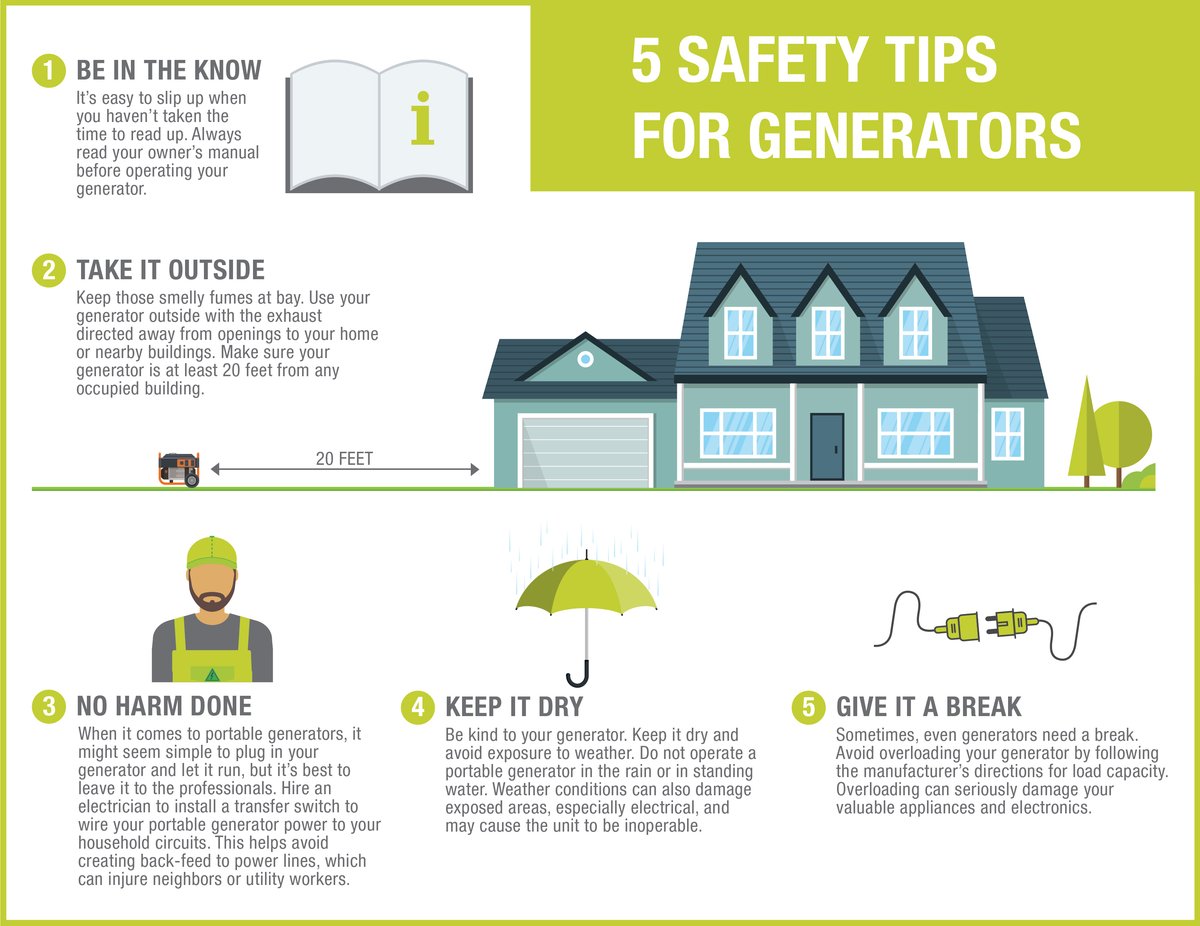
- Prevent carbon monoxide (CO) poisoning: Place the generator at least 20 feet from your home with exhaust directed away. Use CO detectors.
- Ensure proper grounding: Connect your generator to an earth ground using a grounding rod and wire.
- Check fuel and oil levels before starting: Running dry can cause damage.
- Use appropriate, heavy-duty extension cords: Never overload the generator or use damaged cords.
- Keep a fire extinguisher handy: Preferably an ABC-rated type.
- Store fuel safely: In approved containers, away from the generator and living spaces.
- Perform regular maintenance: Follow your manufacturer's schedule for oil, filters, and spark plugs.
- Invest in essential accessories: CO detectors, quality cords, grounding kits, and fuel stabilizers are non-negotiable.
- Read your owner’s manual: It's your ultimate authority for your specific model.
Why Inverter Generators Demand Respect (and Safety)
Inverter generators stand apart from their conventional cousins. They generate AC power, convert it to DC, and then invert it back to a clean AC sine wave using advanced microprocessors. This sophisticated process delivers stable output, making them perfect for powering everything from your laptop and smartphone to medical devices without risk of damage. They’re also typically quieter and more fuel-efficient.
However, regardless of their advanced engineering, they still burn fuel and produce exhaust, making strict adherence to safety protocols paramount. The portability and ease of use of inverter generators can sometimes lull users into a false sense of security, making these guidelines even more critical.
The Silent Killer: Carbon Monoxide (CO) Awareness
Let’s be unequivocal: carbon monoxide (CO) is the single greatest threat when operating any fuel-burning generator. It’s an invisible, odorless, tasteless gas that can build up to deadly levels in minutes, causing flu-like symptoms that quickly escalate to collapse and death. This isn't a minor risk; it's life-threatening.
Your absolute top priority is preventing CO poisoning.
- Outdoor Operation ONLY: This cannot be stressed enough. Never, ever operate an inverter generator indoors, in a garage, a shed, under a carport, or even partially enclosed spaces. Even with open doors and windows, CO can accumulate to dangerous levels.
- Distance is Your Friend: Position the generator at least 20 feet away from your home, office, or any occupied structure. Ensure the exhaust is directed away from windows, doors, vents, and air intakes. The goal is to prevent any exhaust fumes from entering living spaces.
- Strategic Placement: Consider prevailing winds. If possible, place the generator so that wind naturally carries exhaust fumes away from your home.
- Install CO Detectors: This is non-negotiable. Place battery-operated or battery-backup CO detectors inside your home, especially near sleeping areas. Test them regularly. These devices are your early warning system against this deadly gas. Think of them as inexpensive life insurance.
Setting Up for Success: Location, Stability, and Ventilation
Before you even think about starting your generator, its placement is key to safe and efficient operation.
- Choose a Level Surface: Always place your inverter generator on a stable, level surface. This prevents tipping, which can lead to fuel spills, oil leaks, and potential damage to the unit.
- Maintain Clearance: Ensure there's adequate, unobstructed air circulation around the generator. Article 2 recommends at least three feet away from walls, buildings, or structures. This allows for proper cooling and ventilation, preventing overheating which can damage the generator and pose a fire risk.
- Keep it Clean and Clear: The area around your generator should be free of clutter, dry leaves, grass, and especially any combustible materials like gasoline cans, rags, or firewood. A clean perimeter reduces the risk of fire.
Powering Up Safely: Pre-Operation Checks & Starting
A little preparation goes a long way in preventing mishaps and ensuring your generator starts smoothly.
- Read the Manual: Your inverter generator's owner's manual is the definitive guide for your specific model. It contains crucial information on starting procedures, maintenance schedules, and safety warnings unique to your unit. Don't skip this step!
- Fuel Check: Verify the fuel level. Running out of fuel unexpectedly, especially during an emergency, can be frustrating and, in some cases, can cause minor damage if the unit suddenly shuts down under load. For insights on how to safely store generator fuel, consult expert guides.
- Oil Check: Check the oil level and quality. Use the recommended oil type and follow the manufacturer's guidelines for oil change intervals. Low or old oil can lead to engine damage. Many inverter generators have low-oil shutoff features, but prevention is always better.
- Inspect the Unit: Briefly inspect the generator for any signs of damage, loose connections, or leaks. Ensure all guards and covers are in place.
- No Load Start: Always start your generator without any devices connected to it. This prevents sudden power surges to your appliances and reduces the initial load on the generator's engine, prolonging its life.
- Follow Starting Procedure: Adhere strictly to your generator's starting instructions (e.g., fuel valve open, choke on, pull cord/electric start, choke off once warm).
Connecting Your Devices: Smart Power Distribution
Once your generator is running smoothly, it's time to connect your essential devices. This step requires careful consideration to prevent electrical hazards and overloading.
- Device Compatibility: Ensure your devices are compatible with the generator's power output. Check the wattage requirements of your appliances against your generator's continuous and surge wattage ratings. Remember that motor-driven appliances (refrigerators, pumps) have a much higher "start-up wattage" than their running wattage. Your generator’s surge rating should exceed this.
- High-Quality Extension Cords: Invest in heavy-duty, outdoor-rated extension cords (12 or 14 gauge are common recommendations, depending on length and load). Inspect cords for cuts, frayed insulation, or damaged plugs before each use. Never use indoor cords outdoors. For help in choosing the right extension cords, make sure you look for UL-approved options.
- Avoid Overloading: Do not connect more devices than your generator can safely handle. Overloading can damage your generator and connected appliances, and it poses a fire risk. Inverter generators often have overload protection that will shut the unit down, but it's best to avoid triggering it repeatedly.
- Connect Before Powering Up: Turn off and unplug any devices before connecting them to the generator. Then, once the generator is running and stable, plug in your devices one by one, starting with the highest wattage items if multiple are needed.
- No Daisy-Chaining: Avoid plugging multiple extension cords into one another. This increases voltage drop and can create fire hazards.
- Keep Cords Organized: Run cords in a way that minimizes trip hazards. Avoid running them under carpets or through doorways where they can be pinched or damaged.
The Crucial Link: Grounding Your Inverter Generator
Proper grounding is an essential safety measure for most inverter generators, especially if you're powering sensitive electronics or using it as a temporary power source for a building. Grounding helps protect against electrical shock and static buildup.
- Check Your Manual: While many small inverter generators (especially those with a floating neutral) might not strictly require external grounding for simple cord-and-plug operation (refer to your specific model's manual for confirmation), it is generally a best practice for additional safety. Some models come with a grounding lug, indicating that grounding is an option or requirement.
- How to Ground: If your manual indicates grounding is necessary or if you choose to do so for added safety:
- Obtain a copper grounding rod (typically 8 feet long, 5/8-inch diameter).
- Drive the grounding rod at least 8 feet into the earth, close to the generator.
- Connect a heavy-gauge copper wire (e.g., 10-gauge) from the generator’s grounding lug (a screw terminal usually marked with a ground symbol) to the grounding rod using a grounding clamp.
- Ensure all connections are tight and secure.
- Always Check: Before starting the generator, always confirm that your grounding connection is solid and properly installed.
While It's Running: Active Monitoring & Quick Reactions
Operating your inverter generator isn't a "set it and forget it" task. Active monitoring can help you catch potential issues before they become serious.
- Listen and Look: Pay attention to unusual noises, excessive vibrations, or changes in engine speed. Observe the generator for any signs of overheating (e.g., burning smells, visible smoke) or leaks (fuel, oil).
- Regular Checks: Periodically check the fuel and oil levels, especially during extended operation. If the air filter looks dirty, consider cleaning or replacing it to ensure proper airflow and prevent engine strain.
- Immediate Shutdown: If you notice any of these warning signs – overheating, strange noises, leaks, or smoke – immediately shut down the generator according to the manufacturer's instructions. Allow it to cool completely before inspecting it or attempting to troubleshoot. Never attempt repairs or inspections while the unit is running or hot.
- Keep It Clear: Ensure no new debris or combustible materials have accumulated around the generator during its operation.
Fueling Up Safely: Handling & Storage
Fuel is the lifeblood of your generator, but it's also highly flammable and dangerous if mishandled.
- Fuel Type: Always use the type of fuel recommended by your manufacturer (usually unleaded gasoline). Using the wrong fuel can damage the engine.
- Shut Down and Cool Down Before Refueling: NEVER refuel a hot or running generator. Gasoline can ignite on hot engine parts, leading to an explosion or severe burns. Shut the unit off and allow it to cool for at least 15-20 minutes before adding fuel.
- Fuel Outdoors: Always refuel outdoors, in a well-ventilated area, away from sparks, flames, or open ignition sources (like a lit cigarette).
- Approved Containers: Store gasoline in OSHA-approved, clearly labeled fuel containers. These containers are designed to safely vent fumes and prevent spills.
- Secure Storage: Store fuel in a dry, well-ventilated area, away from your home, generator, and any potential ignition sources. Never store fuel in your living space or garage. Consider adding a fuel stabilizer to extend its shelf life, especially if storing for more than a few weeks.
- Clean Up Spills: Immediately clean up any fuel spills with absorbent material. Dispose of the material safely.
Beyond Operation: Essential Maintenance for Longevity & Safety
Regular maintenance isn't just about extending the life of your inverter generator; it's a critical safety component. A well-maintained generator is a safer, more reliable generator.
- Follow the Schedule: Adhere strictly to the manufacturer’s recommended maintenance schedule. This typically includes:
- Oil Changes: Regular oil changes (e.g., after the first 20 hours, then every 50-100 hours or annually) are crucial for engine health.
- Air Filter: Clean or replace the air filter regularly to ensure proper airflow and prevent engine strain. A clogged air filter can lead to poor performance and overheating.
- Spark Plug: Inspect and replace the spark plug as recommended. A fouled or worn spark plug can cause difficult starting and inefficient operation.
- Fuel Filter: Check and replace the fuel filter if necessary to ensure clean fuel delivery.
- General Inspection: Periodically inspect the cooling system, exhaust system, and electrical connections for wear, damage, or looseness.
- Winterization/Storage: If you plan to store your generator for an extended period, properly prepare it:
- Drain the fuel tank and carburetor (or run it dry) to prevent stale fuel from gumming up the system. Fuel stabilizers can help here, but draining is best for very long storage.
- Change the oil.
- Clean the exterior of the unit.
- Store it in a dry, secure location, covered with a waterproof tarp or generator cover to protect it from dust and moisture.
- For a comprehensive guide, follow a robust maintenance schedule tailored to your specific unit.
The Must-Have Toolkit: Essential Accessories for Your Inverter Generator
Operating an inverter generator safely and effectively means having the right gear on hand. These accessories aren't optional extras; they're essential investments for your peace of mind and protection.
- Carbon Monoxide (CO) Detectors: We've mentioned them before, but they bear repeating. These are your first line of defense against the silent killer. Ensure they are battery-operated or have battery backup and place them strategically inside your home.
- Heavy-Duty, Outdoor-Rated Extension Cords: Investing in high-quality (12-gauge or 10-gauge) extension cords with a suitable length is crucial. They must be rated for outdoor use and capable of handling the amperage of your connected devices. Flimsy, indoor cords are a significant fire hazard.
- OSHA-Approved Fuel Cans: Store gasoline in durable, clearly labeled, red containers designed specifically for fuel. These have features like flame arrestors and secure caps to prevent spills and ignition. Never use unapproved containers like old milk jugs.
- Grounding Kit (Rod & Wire): If your generator's manual recommends or requires grounding, you'll need an 8-foot copper grounding rod and a heavy-gauge copper wire with appropriate clamps.
- ABC-Rated Fire Extinguisher: Keep an ABC-rated fire extinguisher readily accessible near your generator (but not so close that you can't reach it in an emergency). This type is effective against fires involving ordinary combustibles, flammable liquids (like gasoline), and electrical equipment.
- Generator Cover: A durable, waterproof generator cover protects your unit from dust, debris, and weather elements during storage, prolonging its lifespan. Ensure it's designed to allow for proper ventilation if you're using it to shield the generator during operation (some covers are explicitly for storage only).
- Fuel Stabilizer: If you don't drain your fuel tank after every use, a fuel stabilizer is essential. It prevents gasoline from breaking down, gumming up the carburetor, and causing starting issues. This is especially important for ethanol-blended fuels.
- Oil & Funnel: Always have extra oil of the manufacturer-recommended type on hand, along with a funnel for easy, spill-free refills.
- Work Gloves & Safety Glasses: Protect your hands from heat, sharp edges, and fuel/oil spills. Safety glasses are crucial when refueling or performing maintenance to protect against splashes or debris.
- Headlamp or Flashlight: For night-time operation or during power outages, a reliable light source is indispensable for safe refueling, checks, and connections.
- Small Tool Kit: A basic set of wrenches, screwdrivers, and a spark plug wrench can be invaluable for routine maintenance or minor adjustments.
Integrating with Home Power: The Transfer Switch (Briefly)
While most inverter generators are used for direct cord-and-plug connections to appliances, some users might consider connecting them to their home's electrical system, especially for larger whole-house backup. This is a complex procedure that absolutely requires professional installation of a transfer switch.
A transfer switch safely isolates your home's electrical system from the utility grid, preventing dangerous "backfeeding" of power onto utility lines, which can injure or kill utility workers. It also protects your generator from damage when utility power is restored. Never, under any circumstances, connect a generator directly to your home's main electrical panel without a proper transfer switch installed by a licensed electrician.
Common Questions & Misconceptions About Inverter Generator Safety
Here are quick answers to some frequently asked questions that come up when discussing inverter generator safety:
Q: Can I run my inverter generator in my garage if the door is open?
A: Absolutely not. Even with the garage door open, carbon monoxide can quickly accumulate to lethal levels. Always operate the generator outdoors, at least 20 feet away from any structure.
Q: Is it safe to use my generator in the rain?
A: Inverter generators are electrical devices and should not be directly exposed to rain or wet conditions, which can lead to electrocution. If you must operate in wet weather, use a specialized generator tent or canopy that offers protection from moisture while ensuring adequate ventilation on all sides. Never enclose it completely.
Q: How often should I check my generator's oil?
A: Check the oil level before each use. During extended operation, check it every 4-8 hours. Refer to your owner's manual for specific recommendations.
Q: Can I plug a power strip into my generator?
A: Yes, you can, but treat the power strip as a single outlet. Do not overload it. Ensure the total wattage of all devices plugged into the power strip does not exceed the capacity of the generator's outlet or the extension cord.
Q: Do all inverter generators need to be grounded?
A: It depends on the specific model and your intended use. Many smaller, portable inverter generators with a "floating neutral" are designed for simple cord-and-plug operation without external grounding for basic appliance use. However, if your generator has a grounding lug, or if you're connecting it to a building's electrical system via a transfer switch, grounding is typically required or strongly recommended for maximum safety. Always consult your owner's manual.
Q: What's the difference between constant wattage and surge wattage?
A: Constant (or running) wattage is the power an appliance needs to operate continuously. Surge (or start-up) wattage is the extra burst of power many motor-driven appliances (like refrigerators, power tools, or well pumps) require for a few seconds to start up. Your generator must meet or exceed both the constant wattage of all combined items and the surge wattage of your largest starting appliance. If you're looking to choose the right portable inverter generator for your needs, understanding these wattage ratings is crucial.
Your Power-Packed Future: Empowered and Safe
Operating an inverter generator doesn't have to be a source of anxiety. By understanding and diligently following these safety guidelines, and by equipping yourself with the essential accessories, you can harness its convenient power with confidence. Think of these steps not as burdens, but as fundamental practices that ensure the well-being of yourself, your family, and your equipment.
From meticulous placement to vigilant monitoring, every step you take contributes to a safer, more reliable power experience. So, take the time, get the right gear, and stay informed. Your next camping trip, tailgate party, or power outage will be much smoother and safer for it. For those ready to upgrade or buy their first unit, Explore top rated inverter generators and invest in a reliable, safe power solution today.